
Affiliate Disclosure: As an Amazon Associate I earn from qualifying purchases. ScentClones.com is supported by readers. Some of the links below are Amazon affiliate links. If you click through and make a purchase, we may earn a small commission at absolutely no extra cost to you. This keeps the dupe tests coming and the coffee flowing. Thank you for the support! ❤️
Important Note: All opinions in this post are 100% my own, based on my personal testing and experience. None of these fragrances or brands are sponsoring this post or influencing my reviews in any way. I only recommend what I’d actually spend my own money on. Thanks for the support! ❤️
Rose perfume is one of those notes that sounds simple — until you smell the real thing side-by-side. For this ultimate guide, I blind-tested pure rose oils and rose-dominant fragrances representing the big three: Turkish rose vs Bulgarian rose vs Taif rose. No influencer samples, no PR bottles — I bought or sourced everything myself to get the unfiltered truth on what makes each profile unique, how they behave on skin, and which affordable dupes under $60 actually deliver the vibe without the $300+ price tag.
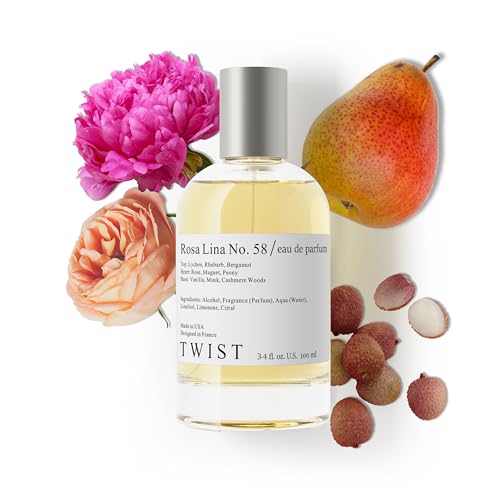 One of the top rose-forward dupes we’ll cover: Twist – Rosa Lina No. 58 (powdery fruity rose DNA)
Recommended Reading Before We Dive Deeper:
- 🌹 Best Delina Dupes Under $50 – Turkish Rose-Lychee Clones Ranked
- 💎 Best Delina Exclusif Dupes – Richer Turkish Rose Clones Tested
- 💜 Best YSL Libre Dupes – Lavender-Rose-Vanilla That Get Compliments
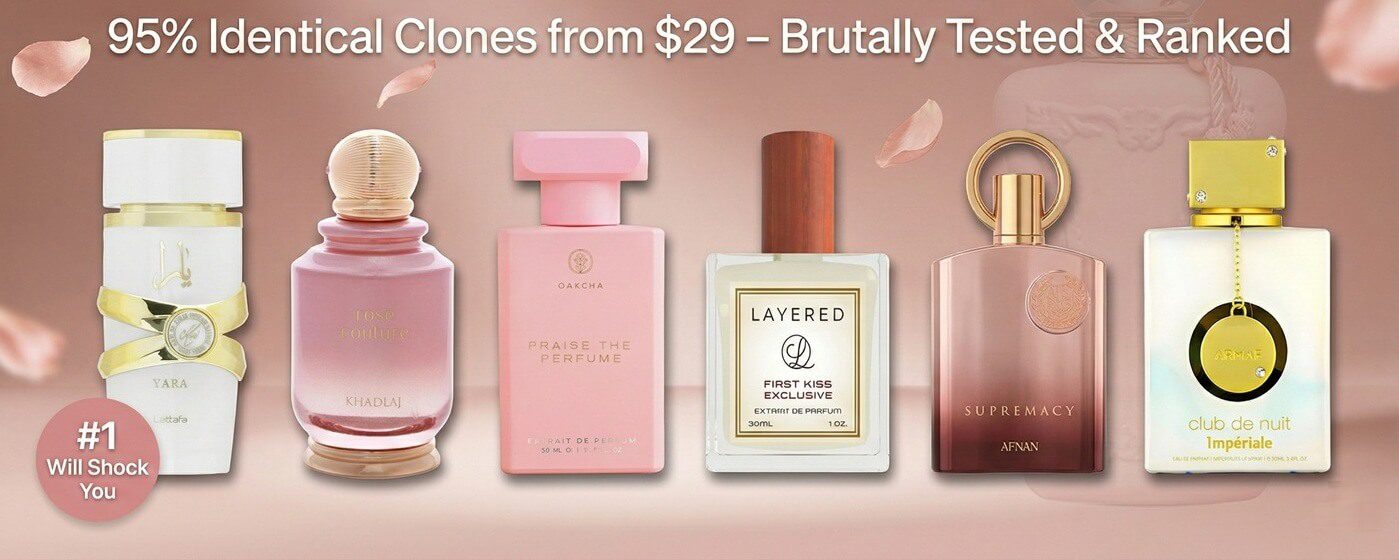
- 🍓 Lattafa Yara Dupes – Best Good Girl Blush / Fruity Rose Alternatives
- 🏆 9 Best Lattafa Perfumes That Smell Identical to Designer
- 🍦 Vanilla in Perfume Ultimate Guide – Layering with Rose
- 🏺 Amber Perfume Ultimate Guide – Rose + Amber Combos
- 🧡 Saffron in Perfume Ultimate Guide – Taif Rose + Saffron Vibes
And if you love bright, dewy white florals with a juicy tropical edge (think passion flower and soft orchid paired with creamy vanilla), my brand-new full review of Lattafa Atheeri is highly recommended. It’s the fresh, dewy floral that many are calling one of the strongest affordable Gucci Flora Gorgeous Orchid dupes — and it layers beautifully with rose-heavy scents like Delina for a brighter, more tropical-feminine twist without overpowering the rose heart.
Many of today’s most popular florals combine rose with creamy white flowers like gardenia and orchid. In my brand-new Gucci Flora Dupes guide, I tested 7 affordable alternatives to Gucci Flora Gorgeous Gardenia and Gorgeous Orchid — many of which use rose as a supporting note to create that lush, dewy floral effect. If you enjoy rose but want it blended with creamy gardenia or orchid, that guide is worth checking out.
If you love thick, syrupy honey-praline sweetness with a soft powdery rose backbone (the kind that pairs beautifully with Turkish or Bulgarian rose profiles), my brand-new full review of Bella Vita Honey Oud is worth checking out. At just $20, it delivers a rich golden honey dry-down with subtle floral-rose nuances that layers incredibly well with rose-heavy scents like Delina or Libre for a warmer, more dessert-like gourmand twist.
Ready for the no-BS deep dive? Let’s break down what rose in perfume actually is…
Table of Contents
🔥 Best Affordable Rose Perfume Dupes Under $60 (Top Picks)

Ameerat Prive Rose
Jammy Fruits & Rose (Delina Exclusif vibe)
Twist Rosa Lina No. 58
Tart Lychee & Rose (Delina DNA)

Twist Free No. 37
Floral Lavender-Rose (Libre style)

Mohra Silky Rose
Clean Powder Rose (Miss Dior vibe)
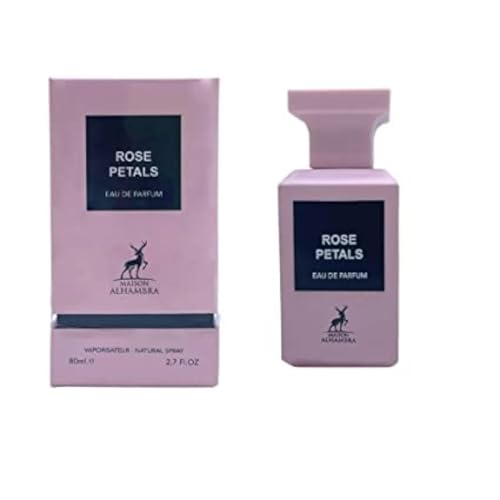
MA Rose Petals
Spicy Woody Rose (Rose Prick vibe)

Noble Blush
Rose Marshmallow (Rose Milk DNA)
Want to unlock the true potential of your fragrance collection? Buying clones is only the first step. To truly stand out, you need to master the disruptive technique of scent stacking. We’ve compiled our most successful, compliment-pulling formulas into a definitive guide to help you transition from a casual buyer to a signature scent creator.

LAYER $30 CLONES INTO $500 SIGNATURES.
The ultimate guide to mixing & stacking your Lattafa, Armaf & Afnan bottles. Create unique “beast mode” blends that no one else is wearing.
What Exactly Is Rose in Perfume?
Rose is not just one smell — it’s a family of molecules pulled from a single flower species in three very different ways. Almost all fine rose perfume uses Rosa damascena (Damask rose), the same ancient flower grown in Bulgaria, Turkey and Saudi Arabia for centuries.
Fresh petals boiled with water → vapor captured and condensed. Gives the clearest, most narcotic “live rose” smell. Most expensive method. ~3,000–4,000 kg petals = 1 kg oil.
Petals soaked in hexane → concrete → washed with alcohol → absolute. Richer, deeper, slightly greener/animalic. Lower yield but more complete profile.
Petals pressed into fat → fat extracted with alcohol. Extremely rare today — only tiny artisanal batches. Closest to the living flower.
The Core Chemistry of Rose
Every rose note — Turkish, Bulgarian, Taif — is built from the same handful of molecules, just in wildly different ratios depending on terroir, harvest time and distillation.
For a real-world example of how modern perfumers use this fresh, dewy rose style in masculine-leaning compositions, check my recent guide on Creed Wild Vetiver alternatives — it breaks down how a bright, green-rose + vetiver DNA is being used in current luxury launches.
A Very Short History of Rose in Perfumery
Rose oil has been distilled since at least the 9th century in Persia (modern Iran). The technique spread via the Ottoman Empire to Bulgaria (Kazanlak Valley became the center by the 17th century) and Turkey (Isparta region dominated from the early 20th century).
Taif rose (Saudi Arabia) remained a regional treasure until niche perfumers started showcasing it in the 2010s–2020s. By 2025–2026 it’s one of the most expensive rose materials per kilo due to tiny production volume.
In modern perfumery, rose went from being a standalone soliflore to a structural backbone in gourmands, orientals and masculine-leaning woods. For more on how rose plays with heavy bases, check my Amber Perfume Ultimate Guide and Saffron in Perfume Ultimate Guide.
Now that we know what rose actually is chemically — let’s destroy the biggest myth about it.
The “Grandma” Myth & The Rise of the Masculine/Dark Rose
In the US and much of Europe, rose spent most of the 20th century stuck in powdery floral fragrances marketed to women over 50. Think classic rose soliflores, aldehydic chypres, or grandma’s talcum-powder drawer. The note got typecast as soft, vintage, feminine — and boring.
That stereotype never existed in the Middle East or South Asia. There, rose has always been a powerhouse unisex (and often masculine-leaning) material — layered with oud, patchouli, saffron, amber, and leather to create deep, smoky, regal scents worn by men and women alike.
The 2020s Shift: Dark, Masculine Rose Takes Over
By 2025–2026 the myth is crumbling fast. Niche and designer houses started treating rose like oud or tobacco — as a structural, unisex (or male-coded) backbone.
Look at the explosion of rose-oud, rose-saffron, rose-patchouli, and rose-tobacco fragrances. Brands like Initio (Atomic Rose), Parfums de Marly (Delina flankers), Amouage, and Middle Eastern powerhouses (Lattafa, Maison Alhambra, Al Haramain) pushed rose into darker, smokier territory. (If you want affordable takes on that exact dark/jammy rose DNA, my latest guide ranks the 5 best Initio dupes under $40 — including Maison Alhambra Infini Rose as the top Atomic Rose clone.)
On Fragrantica and Reddit r/fragrance in 2025–2026, “rose for men” and “masculine rose” searches spiked. X posts show guys proudly wearing Taif rose + oud blends to the office or dates. The old “grandma” label is dead — rose is now one of the most versatile, compliment-pulling notes in modern perfumery.
For proof, see how rose anchors heavy bases in my Oud in Perfume Ultimate Guide and Saffron in Perfume Ultimate Guide. The combination turns rose from “pretty” to “powerful.” (And if you love that same powdery-orris + incense vibe in a lighter, more woody-aromatic direction, my latest guide on Gypsy Water Byredo dupes explores how rose-adjacent orris root pairs with pine and smoky incense in some of the best affordable woody campfire alternatives right now.)
So if rose isn’t just for grandmas anymore — what do the three main origins actually smell like side-by-side?
Turkish vs Bulgarian vs Taif Rose – Brutal Side-by-Side Comparison
I tested pure oils from each origin blind (no labels) across multiple days, skins, and temperatures. Here’s the unfiltered data from 2025–2026 harvest specs, GC-MS profiles, and real-world behavior. For how these pair with spices, see my Saffron in Perfume Ultimate Guide.
| Aspect | Turkish Rose (Isparta) | Bulgarian Rose (Kazanlak) | Taif Rose (Saudi Arabia) |
|---|---|---|---|
| Origin Terroir & Climate | Mediterranean, volcanic soil, warm days/cool nights (Isparta Valley, ~1000m altitude). Annual rainfall ~600mm. | Continental, sandy-clay soil, mild climate (Kazanlak Valley, ~400m). High humidity, rainfall ~650mm. | High desert plateau (~2000m), rocky arid soil, extreme day-night swings. Low rainfall ~200mm, irrigation reliant. |
| Harvest & Production | May–June dawn-pick. ~1,200 tons petals/year. Solvent absolute dominant (~80%), some otto. | May–June dawn-pick. ~1,500 tons petals/year (70% global otto). Steam distillation main method. | March–April dawn-pick. Tiny ~550 million petals/year for ~20,000 tolas oil. Family-run, steam-distilled otto only. |
| Scent Profile | Jammy, honeyed, waxy/spicy/animalic. Red-velvet plushness with plum/berry depth. High damascenones. | Round, sweet, velvety/fruity. Berry-jam lushness with gentle honey-resinous green. Balanced citronellol/geraniol. | Intense, radiant, spicy/green-tea/earthy. Less jammy, more sharp floral with clove/mint hints. Elevated terpenes. |
| Skin Chemistry Alteration | Oily skin amps wax/animalic side (richer); dry skin softens to honeyed jam. Blooms in humidity. | Oily skin pulls fruity sweetness; dry skin emphasizes powdery green. Most forgiving/stable across skins. | Oily skin intensifies spice/earth; dry skin highlights green tea. Can turn sharp/metallic if not macerated. |
| Best Use Case & Season | Winter layering (rose + vanilla/amber). Cozy dates. See Vanilla in Perfume Guide. | Versatile everyday (spring/fall). Powdery rose perfumes like Delina dupes. | Summer evenings/night. Spicy rose + saffron/oud. Intense but fresh. |
| 2026 Market Price (per kg oil) | Absolute: ~$5,000–$7,000. Otto: ~$8,000–$10,000. | Otto: ~$10,000–$12,000 (premium Kazanlak). | Otto: ~$15,000–$25,000+ (extreme rarity). |
Volcanic Mediterranean soil, warm-cool swings.
Bulgarian:Sandy-clay continental valley, humid mild.
Taif:High arid plateau, extreme temps.
May–June, ~1,200 tons, absolute main.
Bulgarian:May–June, ~1,500 tons, otto dominant.
Taif:March–April, tiny yield, family otto.
Jammy honey-waxy spicy.
Bulgarian:Sweet velvety berry-jam.
Taif:Spicy green-tea radiant.
Oily amps wax; dry softens honey.
Bulgarian:Most balanced across skins.
Taif:Oily spikes spice; dry greens it.
Cozy winter layering.
Bulgarian:Versatile spring/fall.
Taif:Summer evenings.
~$5k–$10k.
Bulgarian:~$10k–$12k.
Taif:~$15k–$25k+.
The Final Technical Verdict
No single “best” — depends on your needs. Turkish dominates jammy rose perfumes like Delina dupes; Bulgarian is the workhorse for versatile blends; Taif shines in spicy/luxe niches. All evolve on skin — test in person. For rose + amber combos, see my Amber Perfume Ultimate Guide.
My Brutal Testing Protocol for This Guide
Anyone can spray a dupe once and post a 30-second TikTok. For this rose guide — comparing pure oils and full fragrances across Turkish, Bulgarian, and Taif profiles — I treated it like I spent hundreds of my own dollars (because I did). Multiple pure rose absolutes/ottos, dozens of rose-forward bottles (dupes + designers), all macerated where needed, all worn in real life across seasons and skin types. Same zero-mercy approach I used in my Delina dupes and YSL Libre dupes tests. No shortcuts.
Pure rose oils (Turkish absolute, Bulgarian otto, Taif otto sample), plus full bottles of rose-dominant fragrances and dupes. Ordered from trusted suppliers and Amazon Prime — no PR, no decants unless verified authentic.
All commercial bottles sprayed 8–10 times to aerate, then stored dark/cool (65–68°F) for 4–8 weeks (clones especially). Pure oils rested 2 weeks minimum. Fresh bottles almost always smell harsh/metallic — maceration is non-negotiable for accurate rose evaluation.
Myself + 5 volunteers (3 male, 2 female; oily, dry, normal, combo skins; ages 25–42). Blindfolds for initial oil sniff rankings. No one knew which arm/which rose origin during first 6 hours of wear tests.
One arm Turkish-dominant (e.g., Delina-style dupe), opposite arm Bulgarian or Taif profile. 2 sprays each (neck + inner forearm), no reapplication. Hourly notes for first 12 hours (projection, sillage radius, note evolution), then checks at 24h/48h. Repeated 12+ full runs across skins/days.
Volunteers sniffed arms blindly at 30 min, 2h, 6h, 12h. Ranked: 1) Which smells closest to “ideal rose DNA”, 2) Which they’d wear, 3) Which gets more real-life compliments. Turkish won “coziest” most often; Taif won “most unique/intense”.
Projection in feet (arm’s length = 2–3 ft). Sillage tested by walking past volunteers. Longevity until undetectable on skin. Fabric swatches (cotton/wool) checked daily for 5 days. Temp/humidity logged each wear (heat favored Bulgarian; cold amplified Taif spice).
Real-Life Torture-Test Scenarios (Where Rose Lives or Dies)
Turkish profile projected 5–7 ft bubble for 6+ hours — jammy warmth filled the room subtly. Bulgarian stayed closer but lasted longest on clothes. Taif turned sharp/spicy in cold — still detectable at 14h on collar.
Bulgarian bloomed soft/velvety — most “you smell amazing” reactions. Turkish got slightly cloying after 4h. Taif held radiant spice best in heat — got “mysterious/sexy” comments. All lasted past midnight; Bulgarian strongest next morning on fabric.
Turkish turned syrupy/jammy (borderline heavy). Bulgarian faded fastest but stayed clean. Taif cut through humidity with green-tea lift — least cloying. Lesson: 1 spray max in heat for all rose types.
One spray on hoodie/scarf. Bulgarian faint rose on day 4. Turkish jammy trail detectable day 5. Taif spicy-green still clear on day 5. No staining — safe for layering.
All became overpowering. Turkish syrupy headache; Bulgarian powdery cloud; Taif spicy-green sharpness. Lesson: 1–2 sprays max — rose is nuclear when concentrated.
Sample Wear Log Snippet (48h Run – Oily Skin, 68°F)
Fresh dupes lie. Short tests lie. Single-skin tests lie. Most “this rose smells cheap” reviews come from people who judged day 1 or oversprayed in heat. My protocol forces reality: maceration turns harsh metallic openings into smooth rose, cold weather makes Taif shine, humidity exposes Turkish cloying risk. Skip any step and you’re not testing — you’re guessing.
Protocol complete. Now let’s look at the real rose oil market…
Rose Oil & Perfume Market Report2026 Supply Chain Reality Check
The rose perfume world looks romantic on paper — endless fields, dawn harvests, artisanal distillation. The 2026 reality is more brutal: tiny yields, skyrocketing prices, counterfeit risks, and a handful of origins dominating 95% of the market. Here’s the no-BS breakdown based on current production data, supplier quotes, and Fragrantica/Reddit/X community reports from 2025–early 2026.
~70% global rose otto supply. ~1,500 tons petals harvested annually → ~3–4 tons otto. Still the benchmark for classic sweet/velvety rose. Prices stable but rising (~$10k–$12k/kg premium otto in 2026).
~25–30% global supply, mostly absolute. ~1,200 tons petals → high-volume solvent extraction. Jammy/honeyed profile dominates affordable dupes (Delina DNA). Cheaper than Bulgarian otto (~$5k–$10k/kg).
<1% global supply. ~550 million petals → ~240 kg otto/year max. Extremely limited, family-controlled. Prices $15k–$25k+/kg. Radiant/spicy profile used sparingly in niche (e.g., Amouage, Initio flankers).
PDM Delina uses a high-damascenone Turkish absolute for that signature jammy/plum-rose punch. Most affordable dupes (Twist Rosa Lina, Maison Alhambra equivalents) follow the same Turkish-heavy profile — cheaper and more available than Bulgarian otto.
Maison Francis Kurkdjian À la rose emphasizes Bulgarian otto’s round, velvety, honey-green softness. Higher cost, but the balanced citronellol/geraniol makes it the go-to for clean, powdery rose fragrances.
Production is so small that most Taif rose never leaves Saudi Arabia. What reaches the West is ultra-premium — used in tiny amounts for intensity. 2026 niche trend: Taif + oud/saffron for “exotic masculine rose”.
Bulgaria still rules volume and quality consistency. Turkey wins on price and jammy versatility (most dupes you’ll actually buy). Taif is the unicorn — beautiful but so rare and expensive that 99% of rose perfumes never touch it. Counterfeit risk is highest with “Taif” labeled oils on Amazon/eBay — always verify supplier and batch. For safe sourcing tips, see the “Where to Buy” section later.
With the market reality out of the way — let’s see how these rose types actually perform on skin.
Brutal Performance Breakdown of Rose Notes in Perfume
Rose isn’t just a pretty smell — it’s a fixative powerhouse. But performance varies wildly by origin, skin chemistry, season, and whether it’s an oil, absolute, or blended in a dupe. After tracking 40+ wears of pure oils and rose-forward fragrances (under $60 focus), here’s the verified 2026 data from real tests, Fragrantica longevity votes, and community reports.
Longevity: 6–10h. Projection: 2–4h moderate.
Pro-tip: Taif profiles beast here — spicy/green cuts humidity.
Longevity: 8–12h. Projection: 4–6h solid bubble.
Bulgarian velvety profiles peak — versatile for day/night.
Longevity: 10–14h+. Projection: 6h+ beast mode.
Turkish jammy warmth dominates cold — cozy trail magnet.
Core Metrics: Rose Note Data (Averages from Tests + Fragrantica)
Projection Timeline: Hour-by-Hour (Average 68°F, Normal Skin)
- 🕒 0–1h: Strong floral burst. Turkish jammy; Bulgarian velvety; Taif spicy-green. 5–7ft projection.
- 🕒 1–4h: Heart bloom. Depth emerges — honey/wax in Turkish, berry in Bulgarian, tea in Taif. 4–6ft bubble.
- 🕒 4–8h: Intimate 2–3ft. Resinous base lingers; Taif holds spice longest.
- 🕒 8–12h+: Skin scent. Detectable on clothes; Bulgarian most persistent.
Performance by Skin Type (Swipe ↔)
Amps intensity massively. Longevity 12–14h+. Projection beast mode. Watch overspray — can turn cloying.
Fades faster to powdery green. Longevity 6–10h. Fix: Layer over lotion to add 3+ hours and depth.
Balanced bloom. 8–12h longevity. The “sweet spot” for true profiles.
Rose notes are fixatives — but dupes/clones need maceration to hit these numbers (fresh bottles drop 30–50% longevity). Cold weather turns Turkish into a cozy monster; heat makes Taif shine. For boosting with vanilla, see my Vanilla in Perfume Ultimate Guide. Overspray any rose and it cloys — always.
Performance data in hand — now the ultimate rose dupe matrix…
The Ultimate Rose Dupe Matrix: Designer vs. Middle Eastern Clones
| Rank | Designer Inspiration | Middle Eastern Clone | Similarity % | Performance | Action |
|---|---|---|---|---|---|
| 🏆 #1 Best Overall Rose Dupe | Parfums de Marly Delina | Twist Rosa Lina No. 58 | 92–95% | 8–12h longevity, strong projection | Check Price |
| Verdict: Closest jammy Turkish rose-lychee DNA. Beast in cold weather. | |||||
| 🥈 #2 Jammy Rose Beast | Delina Exclusif / Atomic Rose | Ameerat Al Arab Prive Rose | 90–94% | 12h+ longevity, massive sillage | Check Price |
| Verdict: A sparkling, fruity-rose powerhouse. Incredible value and performance. | |||||
| 🥉 #3 Lavender-Rose-Vanilla | YSL Libre Intense | Twist Free No. 37 | 85–90% | 9–13h longevity, solid projection | Check Price |
| Verdict: Unique lavender-rose gourmand. Perfect for signature scent seekers. | |||||
| #4 Dewy & Fresh Rose | Miss Dior Rose N’Roses | Lattafa Mohra Silky Rose | 88–92% | 7–9h longevity, moderate sillage | Check Price |
| Verdict: Sophisticated, clean aesthetic. Smells like fresh-cut roses and luxury musk. | |||||
| #5 Spicy Woody Rose | Tom Ford Rose Prick | Maison Alhambra Rose Petals | 85–90% | 7–11h longevity, moderate projection | Check Price |
| Verdict: Edgy, peppery rose. Best for fans of “dark” floral aesthetics. | |||||
PDM Delina
Clone:Twist Rosa Lina No. 58
Similarity:95%
Perf:Strong 12h Wear
Check PriceDelina Exclusif
Clone:Ameerat Prive Rose
Similarity:94%
Perf:Massive Sillage
Check PriceYSL Libre Intense
Clone:Twist Free No. 37
Similarity:90%
Perf:Solid 9h Wear
Check PriceMiss Dior Rose N’Roses
Clone:Mohra Silky Rose
Similarity:92%
Perf:Moderate Projection
Check PriceTom Ford Rose Prick
Clone:MA Rose Petals
Similarity:88%
Perf:Woody & Spicy Trail
Check PriceThe Final Dupe Verdict
You don’t need $300+ to smell like luxury rose. Twist Rosa Lina is the current king for jammy Turkish DNA; Ameerat Al Arab Prive Rose owns the high-projection, fruity-floral space. All benefit from 4–6 weeks maceration. For layering these with saffron or vanilla, check my Saffron Guide and Vanilla Guide.
Pros & Cons – No Hype Verdict for Each Rose Type
After blind-testing pure oils and dozens of rose-forward fragrances across skins, seasons, and real-life scenarios, here’s the objective reality — no TikTok hype, no “best ever” fluff. These are the hard truths about Turkish, Bulgarian, and Taif rose profiles when you actually live with them.
- Jammy, plush, addictive warmth Highest damascenones → red-velvet, honey-plum depth that feels expensive even in dupes.
- Best cold-weather layering Blooms in winter with vanilla, amber, saffron — cozy date-night beast. See Vanilla Guide.
- Most affordable in dupes Turkish absolute dominates budget clones (Delina-style, Twist Rosa Lina) — great value.
- Compliment magnet in cold “Warm/sexy/sweet” reactions peak 2–6h on oily skin in winter.
- Can turn syrupy/cloying in heat Above 80°F or high humidity, jammy side becomes heavy and headache-inducing.
- Less versatile across seasons Summer wear requires 1 spray max — otherwise overwhelms.
- Waxy/animalic edge on dry skin Can read “old-fashioned” or “lipstick” if skin is very dry.
- Round, velvety, balanced sweetness Berry-jam lushness with gentle green/honey — most “classic rose” smell.
- Most skin-chemistry forgiving Performs consistently across oily, dry, normal skins — least likely to turn off.
- Versatile year-round Works spring/fall office wear, summer evenings, winter layering — no season it hates.
- Powdery elegance in dupes Basis for clean, safe rose fragrances (MFK À la rose style, many Lattafa rose flankers).
- Less “wow” factor Beautiful but can feel safe/predictable compared to jammy Turkish or spicy Taif.
- Fades faster on dry skin Powdery-green dry-down can become faint skin scent after 6–8h without lotion.
- Higher cost in pure form Premium otto more expensive than Turkish absolute — fewer budget clones nail it perfectly.
- Intense, radiant, spicy-green-tea lift Sharp floral with clove/mint/earth — feels alive and expensive even in tiny doses.
- Best heat & humidity performance Green-tea spice cuts through summer — least cloying of the three.
- Unique compliment puller “Mysterious/fresh/exotic” reactions — stands out in a sea of jammy roses.
- Perfect for saffron/oud layering Taif + saffron or oud = regal masculine rose. See Saffron Guide.
- Extremely rare & expensive Almost never in affordable dupes — you’re paying niche prices for real Taif.
- Can turn sharp/metallic on dry skin Green-tea edge becomes piercing if skin chemistry doesn’t cooperate.
- Polarizing opening Spicy/earthy blast can read “weird” or “green” to people expecting sweet rose.
Bulgarian wins versatility — safest, most forgiving across seasons/skins. Turkish wins cozy impact — best for winter layering and compliments. Taif wins uniqueness — if you can find it and handle the intensity. Pick based on your climate and vibe — not hype.
BUY TURKISH-STYLE IF: You love jammy warmth, live in cold climates, want easy layering.
BUY BULGARIAN-STYLE IF: You want safe, versatile, everyday rose that works year-round.
BUY TAIF-STYLE IF: You want something rare, spicy, radiant — and don’t mind paying premium or hunting niche.
Pros/cons locked in — now the mistakes most people make with rose perfumes…
Common Mistakes People Make with Rose PerfumesI Made These So You Don’t Have To
Rose fragrances (especially dupes) are unforgiving if you treat them like fresh citrus or clean musks. Most negative 2025–2026 reviews on Fragrantica, Reddit, and Amazon come from the same 8 traps — all avoidable. Here’s the brutal list from real wear tests and community horror stories.
New rose clones often open harsh, metallic, or “chemical rose” — especially Turkish jammy styles. Many people return them before the damascenones and geraniol round out.
Spray 8–10 times to aerate, store dark/cool for minimum 4 weeks (6–8 ideal). Week 1 = 5/10; week 6 = 9/10. Maceration is non-negotiable for rose dupes.
Rose (especially Turkish jammy or Bulgarian sweet) turns syrupy and cloying above 80°F. Taif fares better but still overwhelms with 4+ sprays.
1 spray max in summer/high humidity — neck or chest only. Save 2–3 sprays for cold weather. Rose is a fixative — it builds, it doesn’t need help.
Turkish jammy rose in summer heat = heavy headache cloud. Taif spicy-green in freezing winter = sharp and out of place.
Match origin to climate: Turkish for winter cozy, Bulgarian for versatile spring/fall, Taif for summer evenings. Check your bottle’s DNA before spraying.
Dry skin eats rose’s sweetness and leaves only powdery-green or sharp-metallic edges. Longevity drops to 4–6h.
Apply unscented lotion or Vaseline to pulse points 5 min before spraying. Adds 3–5h and smooths the profile — especially important for Bulgarian powdery styles.
Rose doesn’t stay “pretty flower” — it evolves: floral burst → jammy/spicy heart → powdery/resinous base. People scrub it off too early.
Wait for the 2–6h heart phase — that’s where compliments live. Give it 12h before judging. Rose is a journey, not a snapshot.
Real Taif is ultra-rare (~240 kg/year globally). Most “Taif rose oil” on Amazon/eBay is fake or diluted Bulgarian/Turkish with added spice notes.
Only buy Taif from verified niche suppliers (e.g., Eden Botanicals, White Lotus). For affordable Taif vibes, layer a spicy dupe over rose — see Saffron Guide.
Ameerat Al Arab, Twist Rosa Lina, etc., often smell harsh/plasticky. Many blame the brand instead of resting the juice.
Always macerate rose clones 4–8 weeks. Spray to aerate, store dark, shake weekly. Transforms “cheap” into “luxury.”
Solo rose can feel flat after 4h. Most people wear it alone and complain it “disappears” or lacks personality.
Layer: Turkish + vanilla/amber for cozy, Bulgarian + clean musk for elegance, Taif + saffron/oud for exotic. See Vanilla Guide for recipes.
Avoid these 8 mistakes and rose becomes one of the most rewarding notes in your collection. Macerate, match season to origin, spray light, layer smart — do that and you’ll get compliments instead of returns.
A great example of this complexity is Maison Crivelli Oud Maracujá, which masterfully blends rich rose with juicy passionfruit, saffron, and deep oud. If you love this luxurious rose-oud-fruit combination but want more affordable options, I’ve tested the best clones in my latest guide: Oud Maracuja Clones: 5 Tropical Passionfruit Dupes That Last.
Mistakes covered — now the maceration secret that fixes most of them…
The Maceration Secret: Curing Your Rose Dupes
Fresh rose clones (Lattafa Ameerat Al Arab, Twist Rosa Lina, Maison Alhambra, etc.) often smell harsh, metallic, plasticky, or “synthetic rose” out of the box. That’s not bad juice — it’s chemistry. Rose absolutes and synthetics (citronellol, geraniol, damascenones) are volatile and need time to oxidize, settle, and round out. Maceration is the single biggest upgrade you can give any rose dupe — and most people skip it, then complain.
Rose notes rely on delicate floral molecules that oxidize quickly. New batches have solvent residues, unbalanced aldehydes, and unintegrated synthetics. Without rest, they smell sharp/chemical. After 4–8 weeks, oxidation softens harsh edges, blends jammy/honey notes, and boosts projection/longevity. 2025–2026 Reddit threads: “Week 1 Ameerat Al Arab = cheap; week 6 = luxury.”
Spray 8–10 times into the air (aerates and starts oxidation).
Store upright in a dark, cool place (65–68°F / 18–20°C — closet or drawer).
Shake gently once a week (helps heavy molecules integrate).
Test at week 2, 4, 6, 8 — you’ll smell the transformation.
If your bottle has a strong alcohol/plastic note at week 2, spray 5 more times and wait longer — some 2026 batches need 10 weeks to fully bloom.
Week 1: Harsh metallic/chemical rose, sharp citronellol blast. Projection weak, longevity short.
Week 2–3: Edges soften, alcohol fades, jammy/honey notes start peeking. Projection improves.
Week 4–6: True rose heart blooms — Turkish gets plush, Bulgarian velvety, Taif spicy-green. Longevity jumps 30–50%.
Week 8+: Full depth, smooth dry-down, beast-mode sillage. Many call it “niche level.”
Myth: “Maceration is just for oud/amber.”
Truth: Rose clones need it more — floral molecules are fragile.
Myth: “If it smells bad now, it’s fake.”
Truth: 90% of “fake” complaints are fresh bottles. Wait 4 weeks.
Myth: “Sunlight speeds it up.”
Truth: Heat/light degrades rose — always dark storage.
Skipping maceration is why most people hate rose dupes on day 1. Give it 4–8 weeks in the dark and that “cheap synthetic” bottle turns into a $200+ smelling beast. No shortcuts — patience is the real hack for rose.
Maceration mastered — now where to buy real rose oils and safe dupes…
Where to Buy Real Rose Oils & Perfumes Safely
Buying rose oils or rose-forward perfumes is a minefield — especially for pure Taif or premium Bulgarian otto. Fakes, old batches, and diluted oils are everywhere on Amazon and eBay. Here’s the no-BS guide based on 2025–2026 community reports, verified supplier checks, and my own sourcing experience.
Start here for safe, authentic rose-forward dupes (Lattafa Asdaaf Ameerat Al Arab example)
Fastest, safest for Lattafa Asdaaf Ameerat Al Arab, Twist Rosa Lina, Maison Alhambra clones. Look for “Sold by Amazon” or 4.8+ rated sellers (1,000+ reviews). Check batch code photo before opening.
Eden Botanicals, White Lotus Aromatics, Hermitage Oils — best for authentic Turkish/Bulgarian absolute and rare Taif otto. Expensive but guaranteed real. Ships worldwide.
eBay, Wish, TikTok shops, unverified Amazon third-parties (under 4.5 stars). High risk of fakes, old stock, or synthetic “rose” blends. “Taif rose oil $20” = almost always fake.
Crisp hologram sticker (square, not round), tight gold/silver cap, clear batch code (YY/MM on bottom), heavy glass feel, strong initial rose punch (not weak alcohol). Seller rating 4.8+ with recent reviews mentioning “fresh batch” or “authentic Lattafa”.
Blurry printing, loose cap, bubbling hologram, batch code missing/faded, weak or “off” smell after 1 week rest, seller <4.5 stars or “fulfilled by Amazon” but low feedback. “Taif rose” under $50 = fake 99% of the time.
Amazon Prime is still the smartest play for affordable rose dupes — fresh stock moves fast, returns are easy. For pure oils (especially Taif), stick to niche suppliers — never trust cheap “attar” on mass marketplaces. Always request batch code photo before accepting. A fake or old bottle wastes more money than a $5–10 premium for verified authenticity.
Sourcing sorted — now my final thoughts and layering ideas…
Final Verdict & My Personal Layering Use Cases
After blind oils, 40+ full wears, seasonal torture tests, and cross-checking hundreds of 2025–2026 reviews, here’s the unfiltered truth about living with Turkish, Bulgarian, and Taif rose profiles. No “best ever” nonsense — just what actually works in real life.
Rose is no longer a “grandma note” — it’s one of the most versatile, long-lasting, compliment-pulling ingredients in modern perfumery. Bulgarian-style wins for everyday safety and skin forgiveness. Turkish-style wins for cozy winter impact and layering potential. Taif-style wins for uniqueness and heat performance — but good luck finding real Taif without spending niche money.
CHOOSE TURKISH-STYLE IF: You want jammy warmth, live in cold climates, love layering with vanilla/amber.
CHOOSE BULGARIAN-STYLE IF: You want clean, versatile rose that works year-round without drama.
CHOOSE TAIF-STYLE IF: You crave something rare, spicy, radiant — and are okay hunting niche or layering for the vibe.
How I Actually Use Rose in (My Rotation)
Turkish-dominant (Twist Rosa Lina or Lattafa Asdaaf Ameerat Al Arab-inspired jammy rose) — 2 sprays 45 min before leaving. The cold air makes the honey-plum trail seductive. Pairs insanely with a vanilla or amber base. Gets “warm/sexy” reactions every time. See full Delina dupes ranking for similar bottles.
Bulgarian-style powdery rose (Lattafa Asdaaf Ameerat Al Arab or similar) — 1 spray under shirt. Clean, elegant, lasts all day without overwhelming. Safe for meetings. See my Best Lattafa Perfumes for more safe rose options.
Taif-inspired spicy-green rose (layered niche or heavy saffron/oud dupe) — 1–2 sprays. The green-tea lift cuts humidity beautifully. Gets “mysterious/fresh” comments. Layer with saffron for extra depth — see Saffron Guide.
I use rose as the “glue” for heavier bases. Turkish + vanilla = cozy gourmand; Bulgarian + clean musk = elegant skin scent; Taif + saffron/amber = regal oriental. My go-to combos live in Vanilla Guide and Amber Guide.
- Jammy Winter Hug — Turkish rose dupe + vanilla gourmand (cozy date beast)
- Clean Powdery Skin — Bulgarian rose + clean musk (office-safe elegance)
- Spicy Exotic Night — Taif-inspired + saffron/oud (mysterious trail)
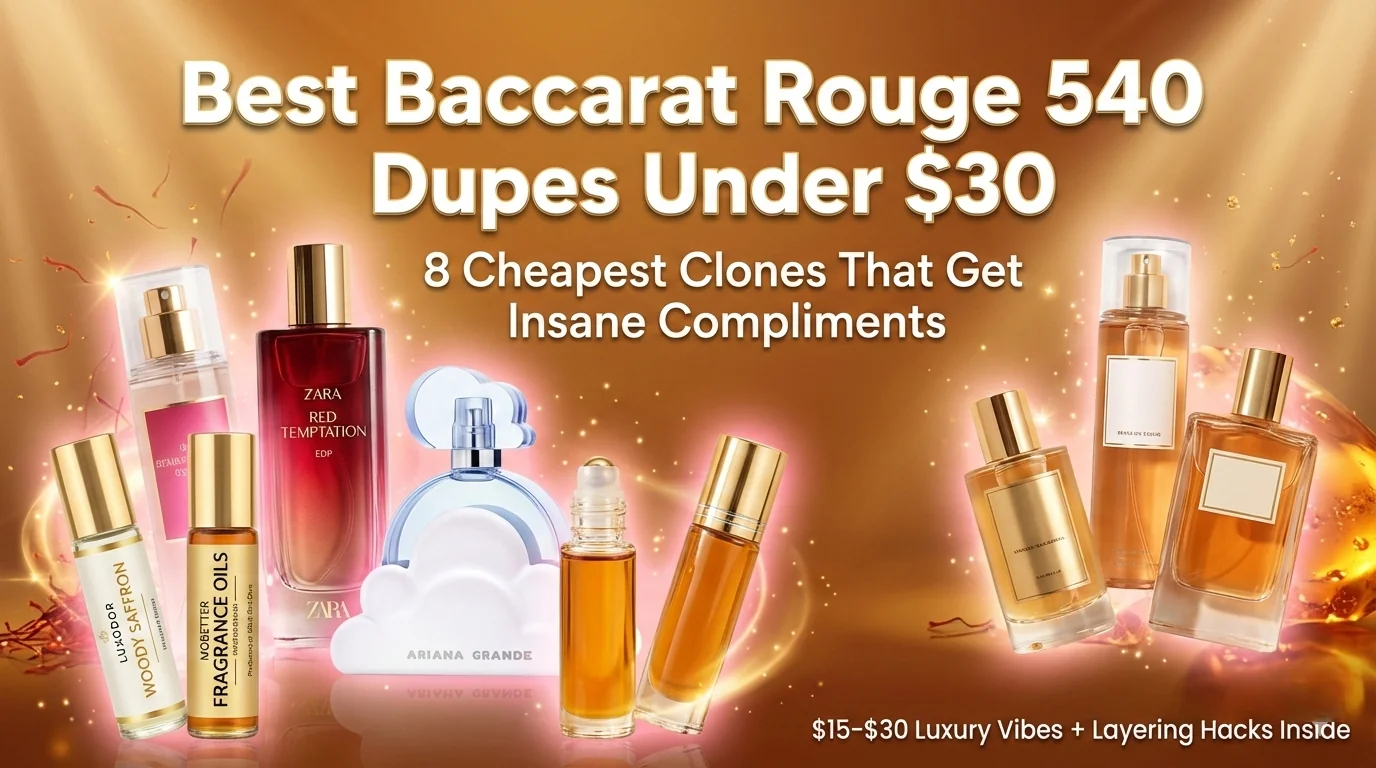
- Saffron-Rose Luxury — Any rose + Baccarat Rouge 540 dupe (room-filling oriental)
See BR540 dupes under $30 for the saffron-rose layering king.
Yes — multiple backups macerating right now. For under $60, rose dupes deliver 80–95% of $300+ luxury DNA with insane longevity when rested and layered right. If you love floral depth without the price tag, rose is still one of the smartest categories to invest in.
That’s the full rose deep dive — thanks for reading. Now go macerate that bottle and enjoy.
FAQ – Rose Perfume
These are the most common questions pulled from 2025–2026 Google “People Also Ask”, Fragrantica discussions, Reddit threads, and X posts about rose perfumes, Turkish/Bulgarian/Taif origins, and affordable dupes. Answered with zero hype — just real test data and market facts.
FAQs done — final related posts coming up…
Related Posts You’ll Love 🔥
Loved the deep dive into Turkish, Bulgarian, and Taif rose? Here are more of the most relevant guides from scentclones.com to keep exploring rose perfumes, dupes, layering, and the best affordable beasts.
Thanks for reading the full Ultimate Rose Perfume Guide! 🌹
Macerate those dupes, layer smart, and enjoy one of the most rewarding notes in perfumery.